New work, rare editions and monumental releases, sent before they appear here. A few times a year.
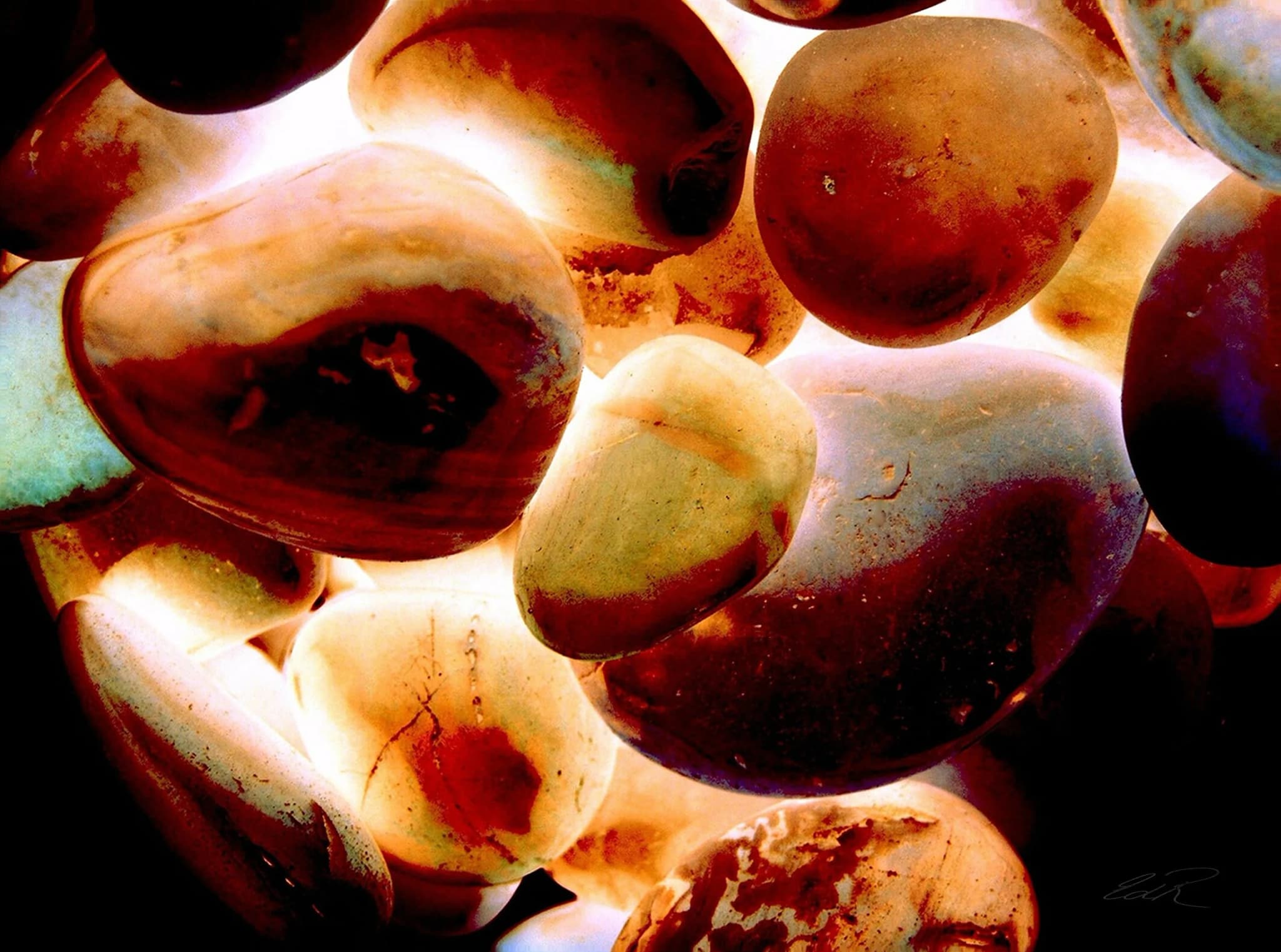
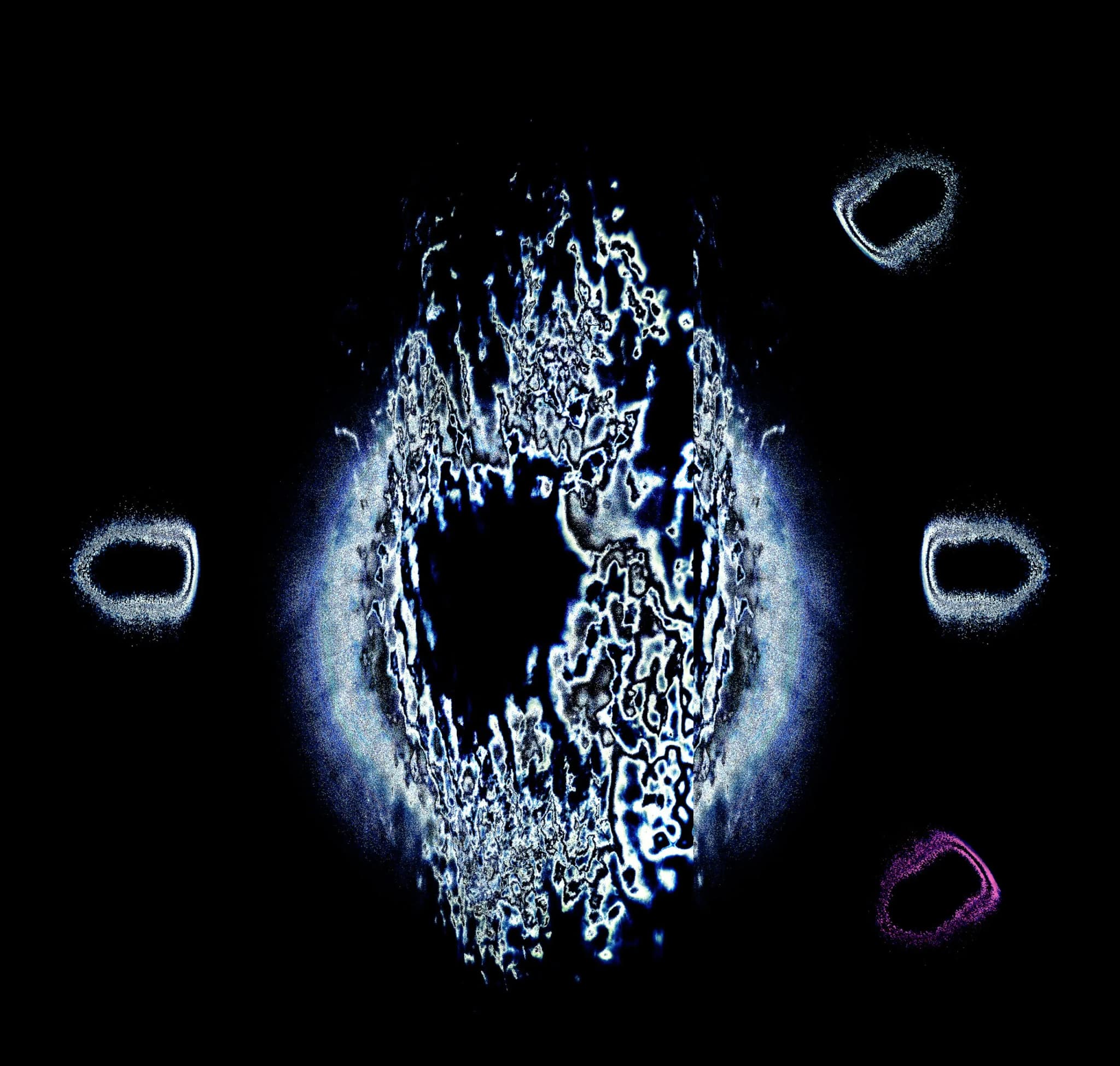
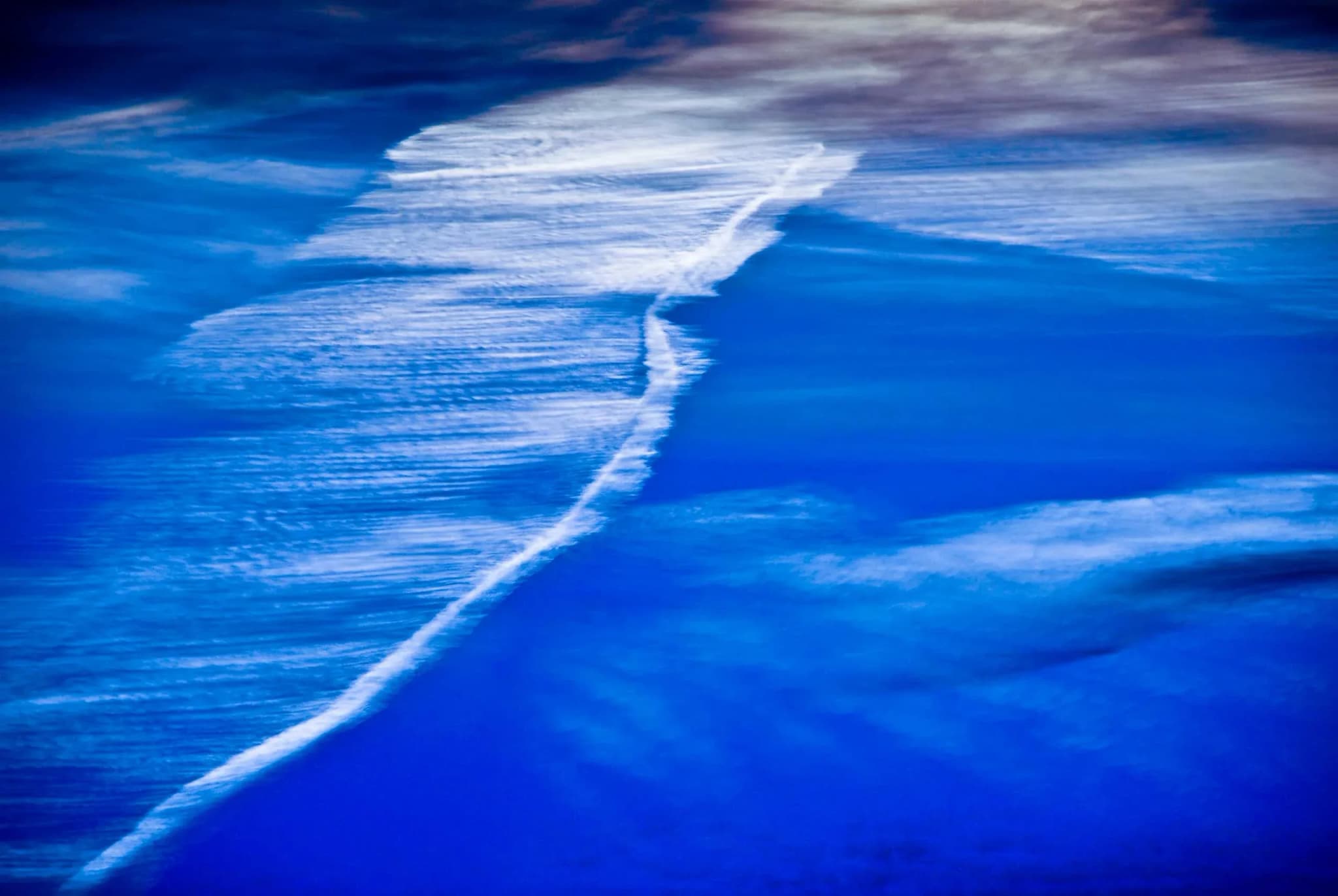
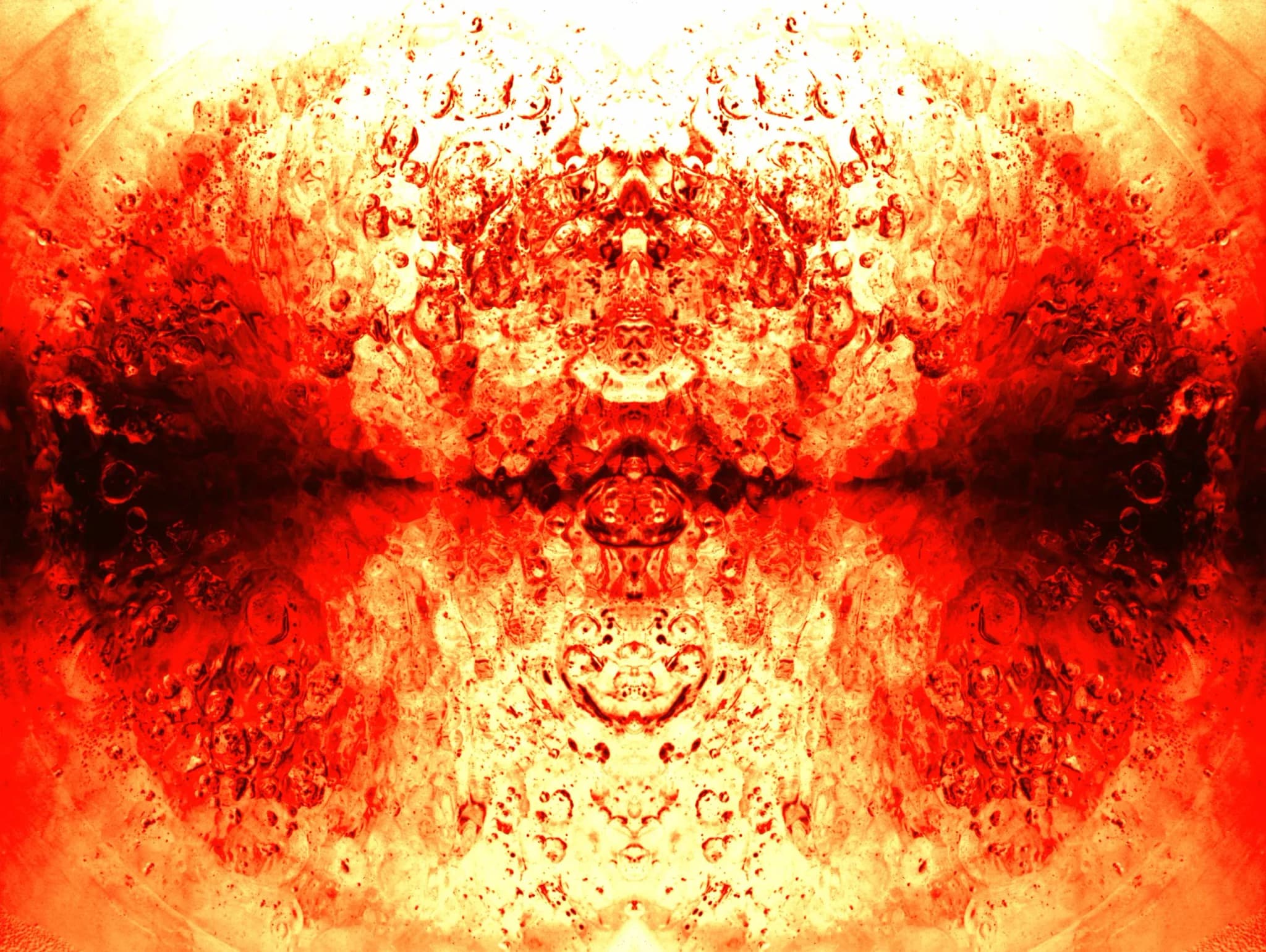
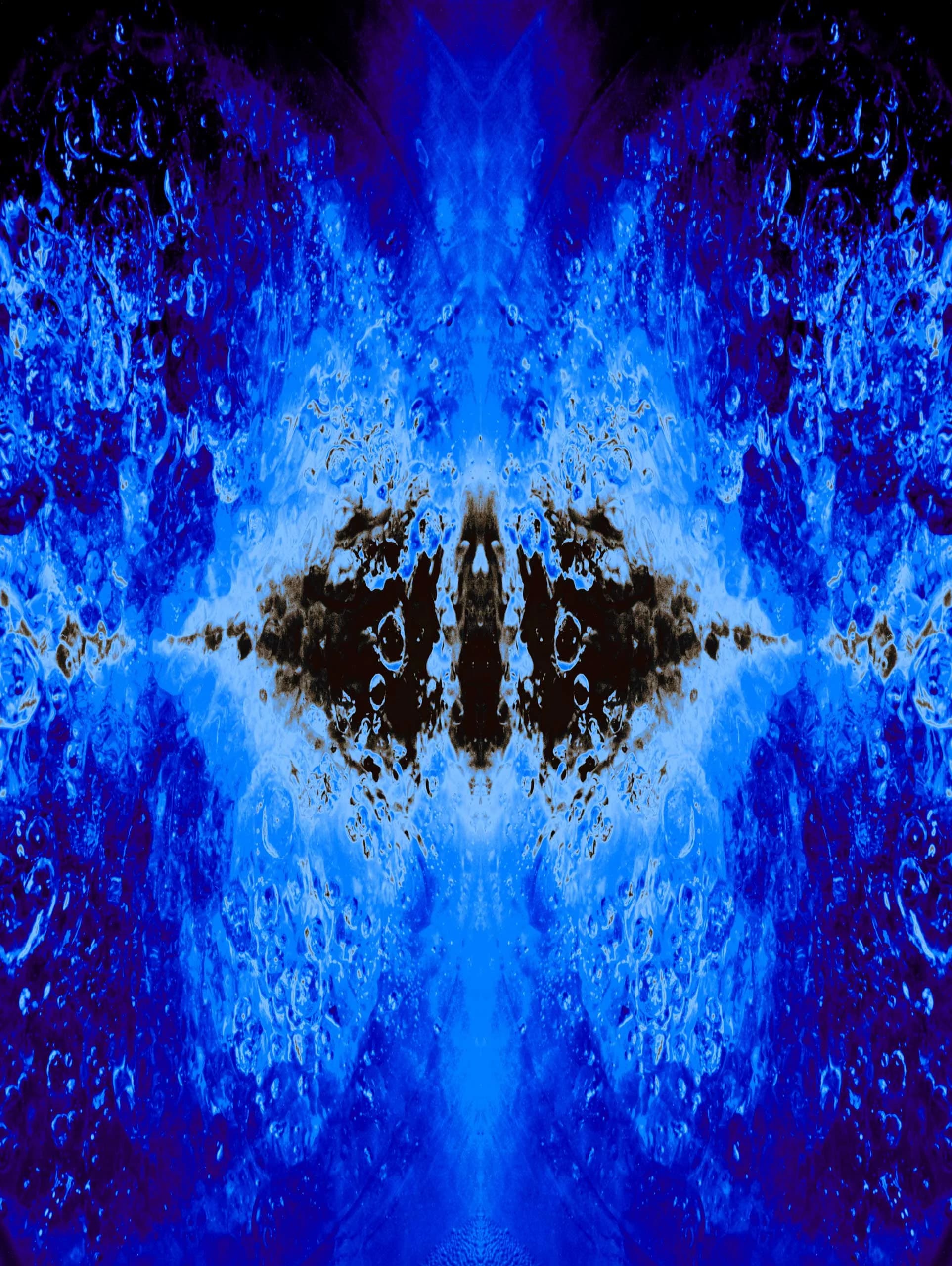
Dark cores of held tension with energy swirling around them, in fire red and ice blue. Abstract photographs about pressure and breath.
Pressure doesn't have to belong to one person. It can sit between people, move through a room, build around something unspoken.


01
About Pressure Fields
When I'm afraid or tense, I hold my breath. I breathe high and shallow, and the tension settles somewhere in my body. I still catch myself doing it.
Looking at these works now, I recognise that same kind of held tension. Dark cores, sometimes one, sometimes several, with movement gathering around them. In Lens of Heat and Solar Fold it burns. In Breath Under Pressure, a similar core sits in ice blue.
Making the work doesn't release anything for me. What helps is noticing that I'm holding my breath, and then letting it go on purpose. Yoga helps. Exercise helps.
I also notice how easily I pick up tension from other people: from someone I'm talking to, or simply from being in a room where something is unsettled. I often feel it before I know where it came from.
That is where the title Pressure Fields started to make sense to me. Pressure doesn't have to belong to one person. It can sit between people, move through a room, build around something unspoken. Once I notice it, it often loses some of its hold.
A collector who lived with Split Breath once told me the work reminded him of an anger he had since worked through. Someone else may see something completely different. But a work like this can make you notice what you are holding.